Understanding The Difference Between General Pediatric And Orthodontic Dentistry
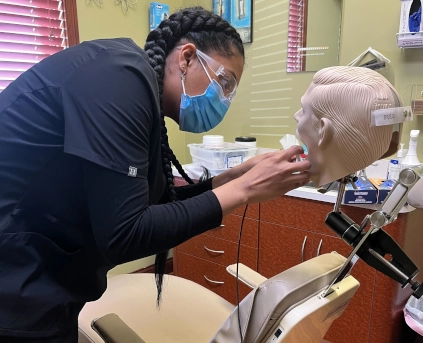
Understanding the various branches of dentistry is crucial for both patients and aspiring dental professionals. Each specialty caters to different needs, ensuring comprehensive dental care for diverse populations. Let’s delve into the differences between general, pediatric, and orthodontic dentistry, highlighting their unique focuses and treatments.
The Role of General Dentistry in Patient Care
General dentistry serves as the cornerstone of oral health care. General dentists are often the first point of contact for patients seeking dental services. They offer a broad range of treatments, which include:
-
Routine check-ups and cleanings.
-
Fillings and restorations.
-
Extractions and oral surgeries.
-
Treatment of gum disease.
General dentists prioritize preventive care, educating patients on proper oral hygiene and lifestyle choices to avoid dental issues. Their approach ensures that patients maintain healthy teeth and gums, paving the way for specialized care when necessary.
Catering to Young Smiles: Pediatric Dentistry
Pediatric dentistry focuses specifically on the dental needs of children, from infancy through adolescence. Pediatric dentists undergo additional training to handle the unique challenges that arise when treating young patients. Here are some key aspects of pediatric dentistry:
-
Child-Specific Treatments: Pediatric dentists provide tailored treatments like fluoride varnishes, dental sealants, and early orthodontic evaluations.
-
Behavior Management: They employ techniques to make dental visits more comfortable and less daunting for children, using friendly communication and a welcoming atmosphere.
-
Education for Parents: Pediatric dentists educate parents about teething, thumb-sucking, and proper dietary habits that can influence their child’s dental health.
Pediatric dentistry not only addresses current dental issues but also focuses on preventing future problems by promoting good habits early on.
Aligning Smiles: The Specialty of Orthodontics
Orthodontics is a specialized branch of dentistry dedicated to diagnosing, preventing, and treating dental and facial irregularities. Orthodontists play a pivotal role in guiding the development of proper bite alignment and jaw positioning. Here are the main features of orthodontic practice:
-
Braces and Appliances: Orthodontists utilize various devices, including traditional braces, clear aligners, and retainers, to correct misaligned teeth and jaws.
-
Treatment Plans: They create individualized treatment plans based on comprehensive assessments, including dental x-rays and impressions.
-
Long-Term Benefits: The work of an orthodontist not only improves aesthetics but also enhances long-term oral health by addressing issues that could lead to tooth decay or gum disease.
Orthodontic treatment is often a multi-year process, but the results can dramatically improve a patient’s smile and confidence.
Choosing the Right Dental Specialty for Patient Needs
Understanding the differences among general, pediatric, and orthodontic dentistry helps patients choose the right dental care provider. While general dentists address everyday dental needs, pediatric dentists offer specialized care for children, and orthodontists focus on alignment issues.
This knowledge is also essential for dental assistants, who may find their passions align more closely with one specialty over another. Having clarity in these distinctions allows for better career choices and tailored patient care.
FAQs
What is the main focus of general dentistry?
General dentistry focuses on overall oral health, providing preventive care, restorative treatments, and patient education.
How is pediatric dentistry different from general dentistry?
Pediatric dentistry specializes in treating children, using specific techniques to create a positive and comfortable dental experience for young patients.
What types of treatments do orthodontists provide?
Orthodontists provide treatments for teeth and jaw alignment, utilizing devices like braces and retainers to correct misalignments.
At what age should children first visit a pediatric dentist?
Children should have their first dental visit by age one or when their first tooth emerges, allowing for early detection and preventive care.
Why is it important to understand different dental specialties?
Knowing the distinctions helps patients select the appropriate care provider for their needs and allows dental professionals to specialize in areas they are passionate about.
If you’re ready to embark on a rewarding career in dentistry, understanding these specialties is crucial. At Waco Dental Assistant School, we provide the education and training needed to thrive in the dynamic world of dental care. Our programs will equip you with the skills and knowledge necessary to excel in various dental settings. Take the first step toward your future today!
You're 12 weeks from the dental assistant career you deserve.